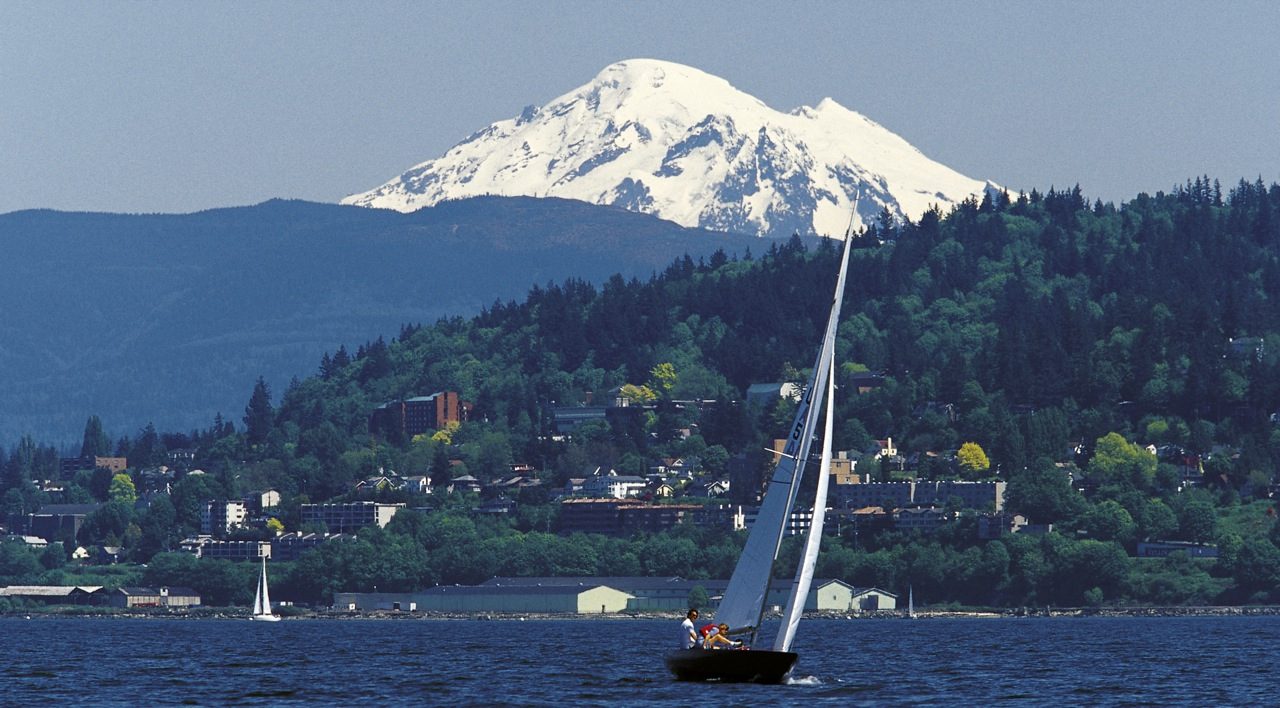
Bellingham Bay and Mt. Baker. Photo: US EPA, public domain.
Start gun, June 13, 2027 · noon
—Days
—Hrs
—Min
—Sec
360+miles of Salish Sea
0engines allowed
2pedal drives, built in-house
~71hours expected on the course
Be a Sponsor
Put your name on the boat that can’t be killed.
What Dark Knight does for sponsors: puts your name on a boat people remember — a rescued 22-footer saved three times, racing 360 miles plus, engineless, around Washington’s inland waters with a home-built pedal drive. Hull, transom, and mainsail logo space; race-week content; a local story your customers will actually repeat.
We don’t guess. The build is guided by a modeling system running on recovered hardware — the same analysis that shaped the pedal drive and the sail and rigging development. It’s resourcefulness as a method: making something amazing out of things that would otherwise be discarded.
Where your name goes. Pick a tier to light it up.
Early sponsors get more than race week: CYC and BYC weeknight and long-distance race exposure as we prepare the boat for the main event. See The Proving.
Sponsor contact: email us. No payment is taken on this page; sponsorships are arranged directly with the team. In-kind help counts too: sails, rigging, electronics, provisions, and yard time.
Built, not bought
The work is already underway.
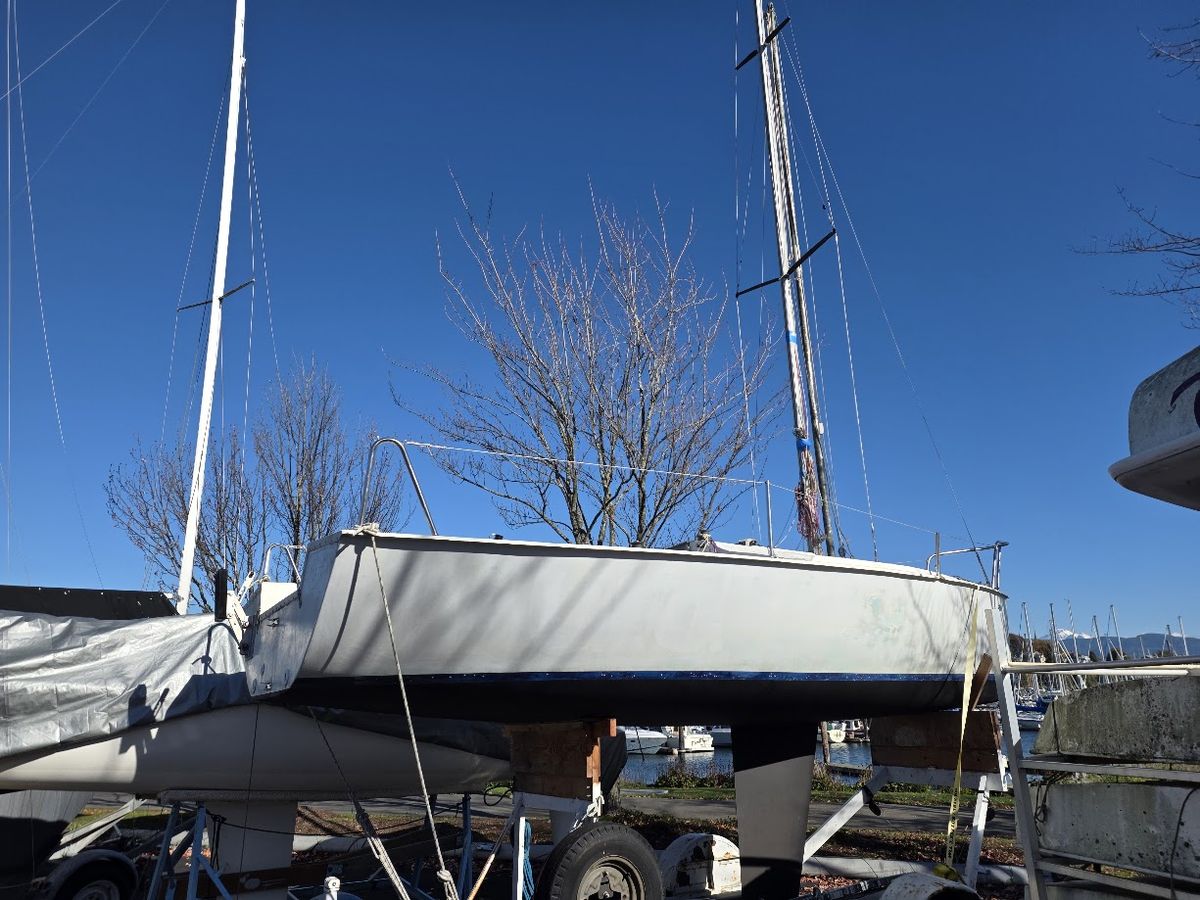
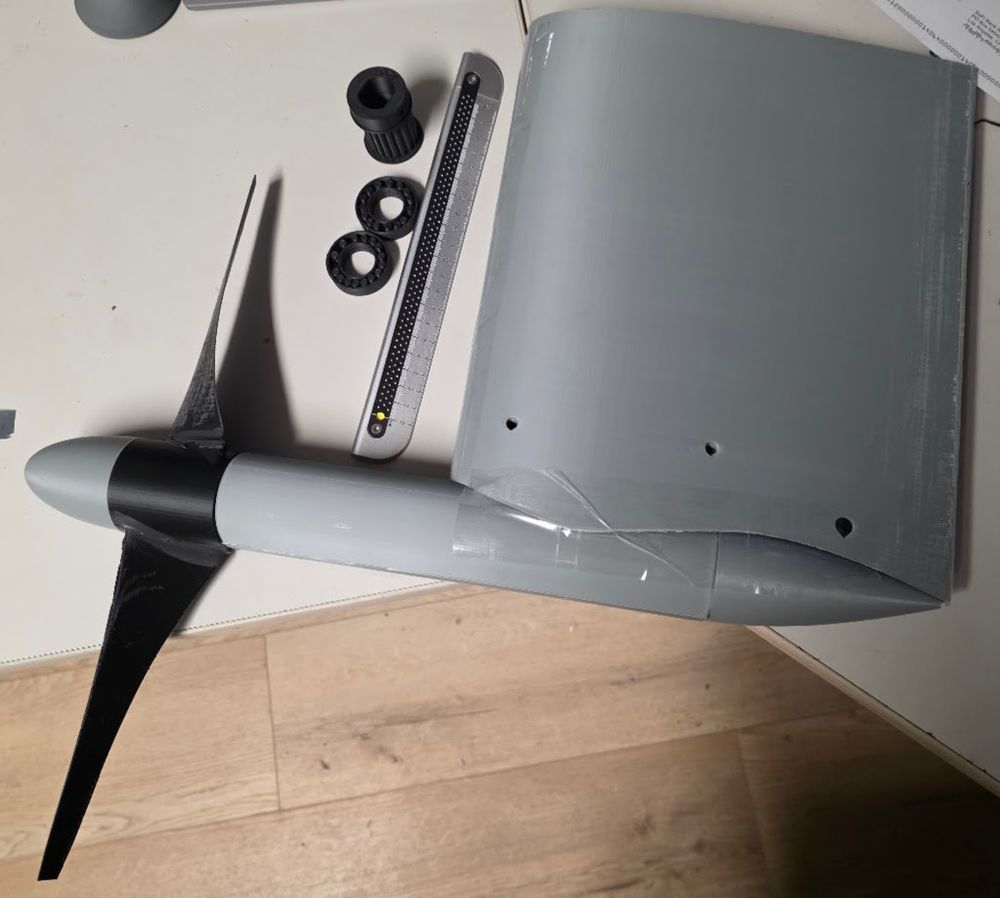
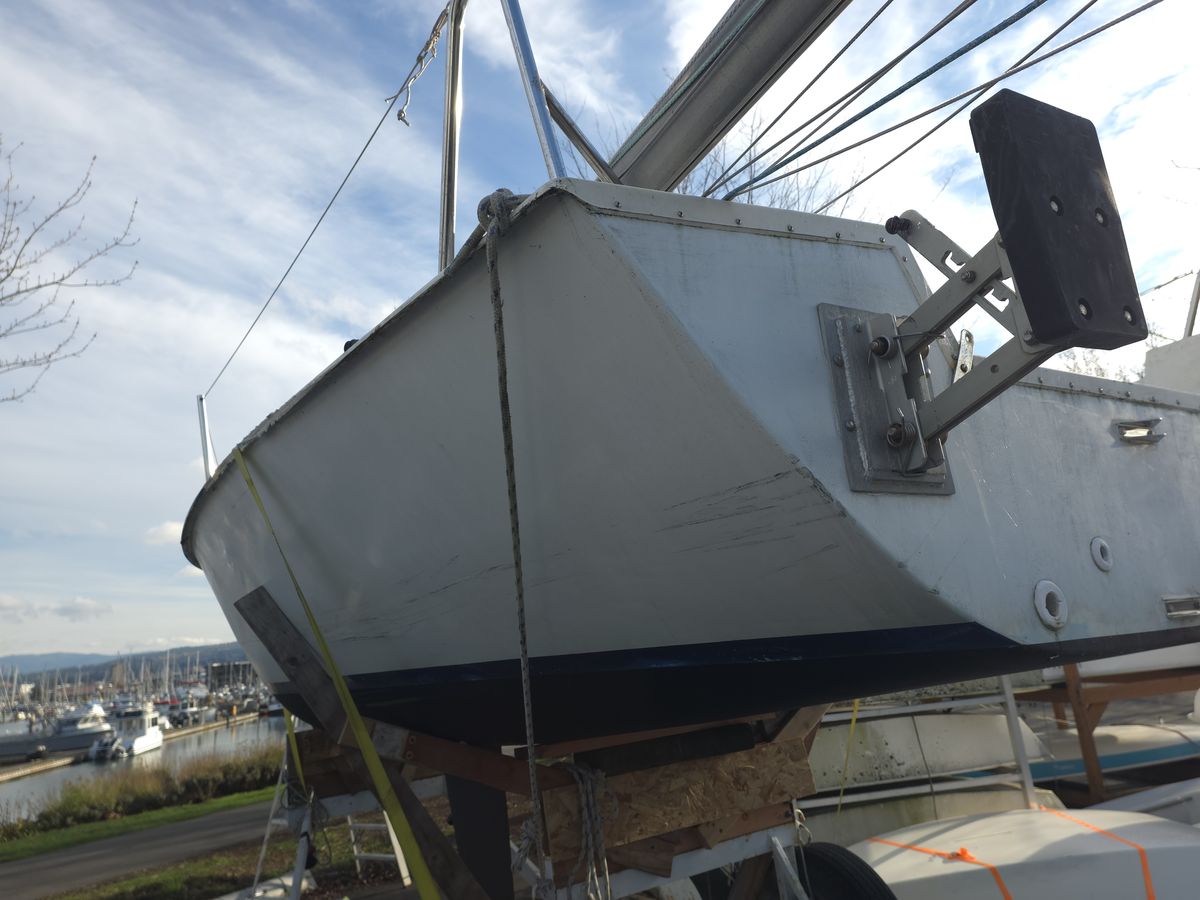
Hull #14, out of the water for the refit.Pedal-drive prototype, printed in-house.The transom. The pedal drives mount on its quarters.
The Story
Saved three times. Racing again.
Dark Knight is a 1983 Pocket Rocket 22 designed by Gary Mull — a proven design with a loyal following in the Pacific Northwest. Three times in her life she could have been written off, and three times she was saved instead: by Gavin Brackett, Blaine Pedlow, and Ken Nelson. Boats don’t get saved three times by accident.
That history is where the name and the team theme come from. She is Dark Knight, the team races as ’Tis But a Scratch, and the theme is Invincible — the boat that can’t be killed. WA360 2027 is her next chapter: a planned campaign, engineered in-house, raced by a crew that knows this design inside out.
The Race
Washington’s inland waters. No engine. Ever.
WA360 is an engineless race around Washington’s inland waters, starting and finishing in Bellingham, with marks at Goat Island, Olympia Shoal, Port Townsend, and Point Roberts. Sail, pedal, paddle, or row. No motors, no support boats, no shortcuts.
Bellingham — Sunday, June 13, noon
We start from Bellingham with the fleet and head south into the Salish Sea. The first miles are about clean air, current timing, and not giving anything away early.
When the wind shuts off
This is where WA360 is won and lost: glassy water, a foul tide, and miles still to go. It’s exactly the problem our pedal drive is built to solve.
Tidal gates and narrow water
Deception Pass and the Tacoma Narrows shape every course call. Miss a gate and you wait — or pedal against it.
Back to Bellingham
Days of watches, cold meals, wet gear, and very little sleep in a 22-foot sport boat. Realistic finish: three to five days. The goal: compete, have fun, and maybe top 10.
WA360 2027 — planned course
The Proving
Every week on the water before the one that counts.
No boat should start the 360 untested. Between now and June 13, Dark Knight races on the same water the race starts from — every boat handling, sail change, and pedal hour logged and learned from. Early sponsors ride along for all of it.
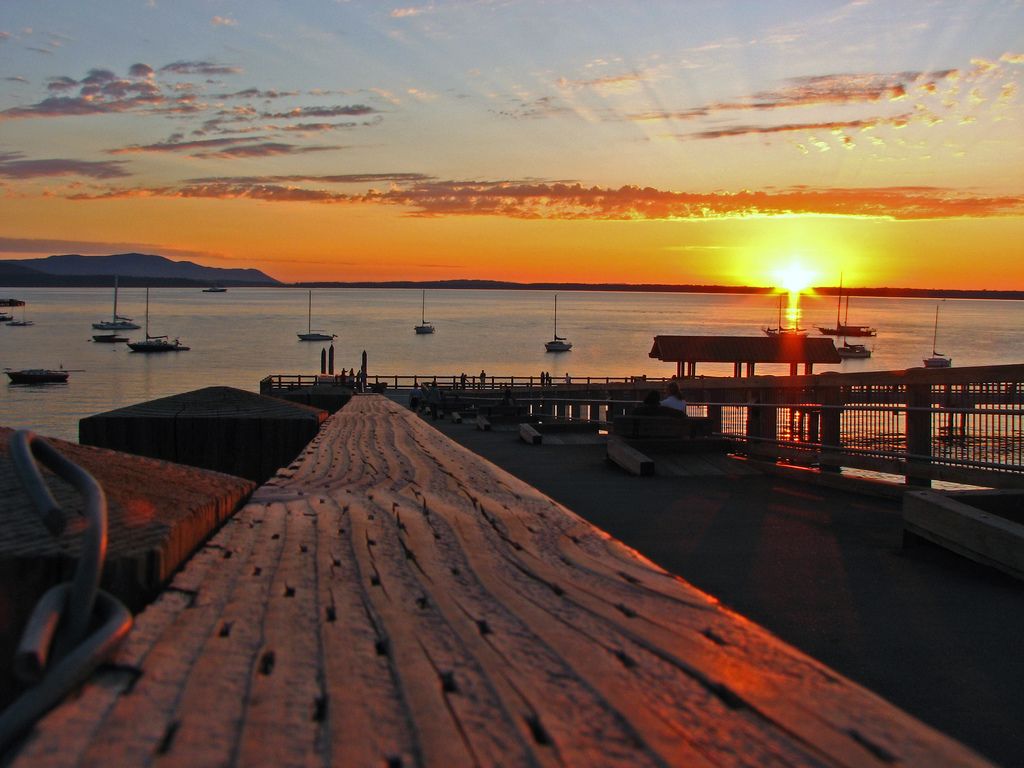
Bellingham Bay. Photo: US EPA, public domain.
Thursday evenings · spring
CYC Thursday-night racing
The Corinthian Yacht Club of Bellingham races Thursday evenings on Bellingham Bay: in 2026, five series of five races from April through September. The spring series are our weekly test before the start.
2027 dates: posted here when the club publishes them.
Weeknights · spring
BYC keelboat racing
The Bellingham Yacht Club runs weeknight keelboat racing out of Squalicum Harbor. More starts, more boat-on-boat time, more chances to break things while it’s cheap to fix them.
2027 dates: posted here when the club publishes them.
Weekends · spring
Long-distance races
Distance races test what Thursday nights can’t: watches, navigation through the night, and the pedal drives over hours, not minutes.
Races named here as the 2027 calendars are set.
After the 360
Back on home water
Race Week Bellingham in July and BYC’s PITCH Regatta, traditionally over Labor Day weekend, keep sponsors’ names on the water after the main event.
2027 dates: posted here when the organizers publish them.
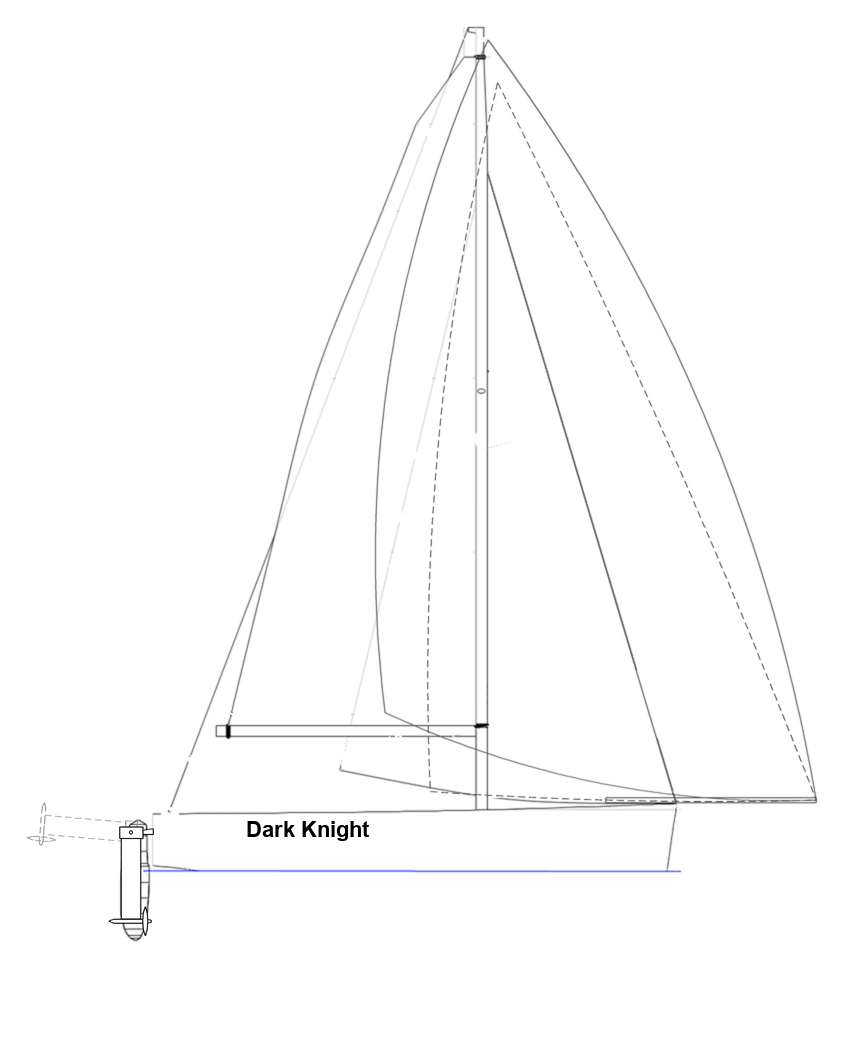
Dark Knight as we will race her
The Boat
Light enough to pedal. Stiff enough to carry sail.
Design
Gary Mull, 1983 — Pocket Rocket 22, hull #14
Length
22 ft
Displacement
2,400 lb
Ballast
1,100 lb, 5 ft fixed fin keel
Rating
PHRF 174 stock
Refit
6 ft fixed bowsprit carrying a J/70 asymmetric and a Code 0; Etchells and J/24 donor sails; new fiberglass keel structure; custom NMEA 2000 instruments; a pedal drive on each quarter of the transom
Home port
Bellingham, Washington
This is our boat as we will race her, not a stock drawing. The sprit and the Code 0 are design intent, not the final build: the Code 0 (dashed) is a working design point.
The Pedal Drive
The second engine is us.
Two independent pedal stations, each with its own belt-driven propeller, so one failure never stops the boat. When the wind dies, the two stations pedal Dark Knight at 4–4.5 knots.
WA360 is decided in the calms: hours of glassy water where an engineless boat drifts backward on the tide. Our analysis puts the pedals at about 15 hours saved over the course — and running out of pedal at the wrong moment can miss a tidal gate and cost 10–16 hours.
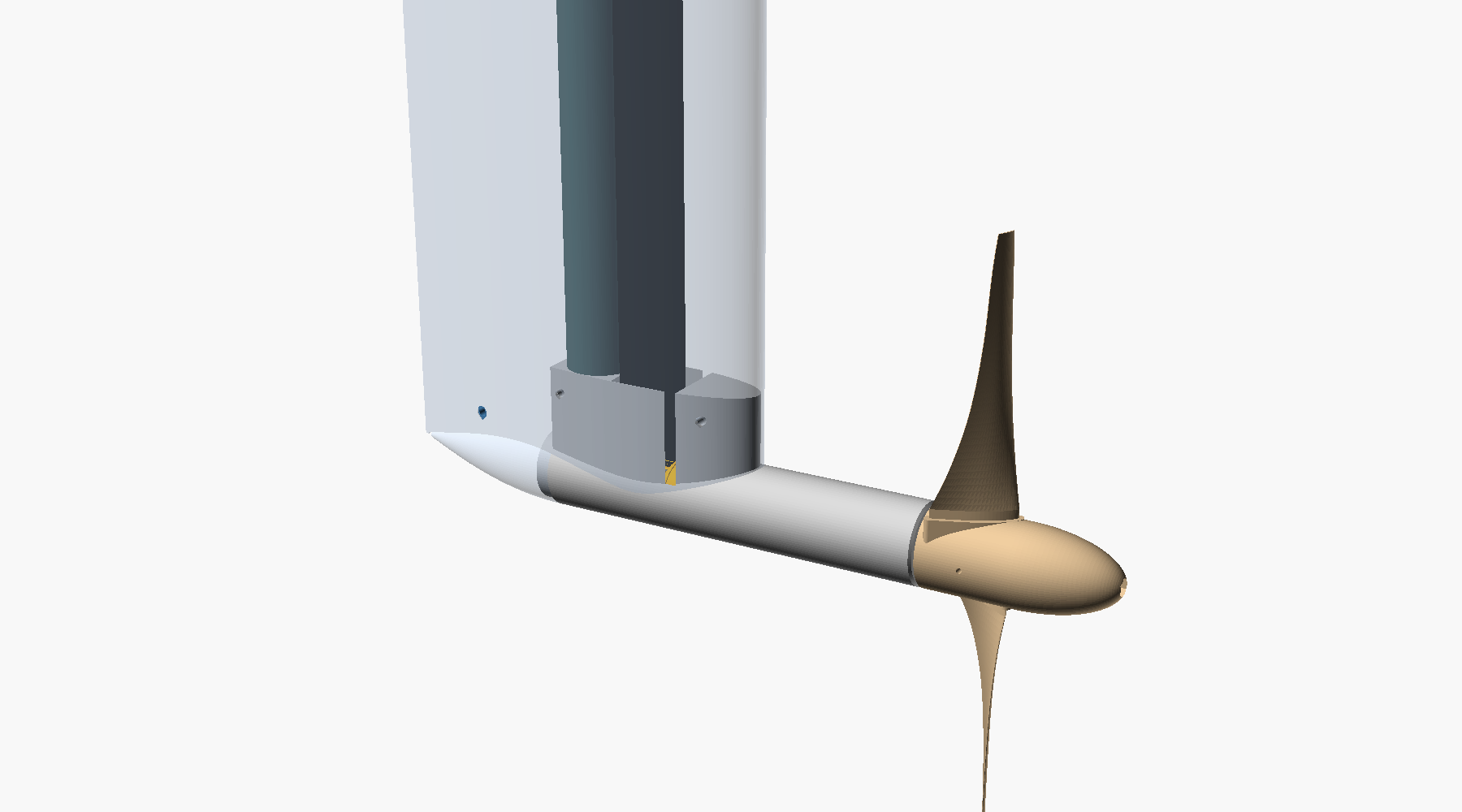
No hardware is built until the analysis backs it: blade-element analysis with real low-speed airfoil data, then CFD, then the two reconciled. Station 1 is recumbent, station 2 upright. Chain up top where it stays dry; a toothed belt in the submerged leg, because belts need no lube and don’t rust.
Status: test blades printed, bench rig under construction, water testing next.
The drive’s foot assembly, from our CAD.
The Crew
’Tis But a Scratch
Four bunks, every role rotated, and a watch system built for the full distance.
K
Ken
Lead sailing nut
Bellingham sailor and engineer; leads the campaign and the boat’s refit and systems program.
J
John
Partner with a massive racing problem
Navigator and helm in the rotation; a calm head for the long night watches and tidal-gate calls.
L
Lauren
Pedaling ringer with a E22 racing problem
Navigator and helm in the rotation, and the engine room when the wind dies.
?
Fourth seat
To be named
Fit enough to pedal, happy sailing a small sport boat hard, free for spring weeknights and the June race window? Email us and say “crew.”
The Plan
How we get to the start.
Training block starts
The 32-week plan begins November 9 and runs to the start: endurance work on the bike and on the water, building toward what the pedal stations demand.
Systems fit-out
Rewire, navigation hub, wind and AIS, pedal-drive build and bench testing, trailer bunks reinforced for road moves.
The Proving
Racing every week we can, shakedowns, and the pedal drives proven over distance. The details.
Start — Bellingham, noon
Follow along, and cheer for hull #14.
Back the boat that can’t be killed.
Three tiers, one rescued race boat, 360 miles plus of Salish Sea. Your name goes with her.